From Captivity to History:
Rare POW Letters Preserved for Future Generations
Letters from John Wilfred Franklin’s family, now preserved by the The Australian War Memorial, reveal the resilience of prisoners and the anguish of families during World War II. More than 80 years later, these treasured messages continue to speak of the courage, sacrifice and human cost of war. This is a universal story that could relate to any war, any family or any Prisoner of War. This book was launched on the 15th of August 2025 to celebrate the 80th anniversary of peace in the Pacific.
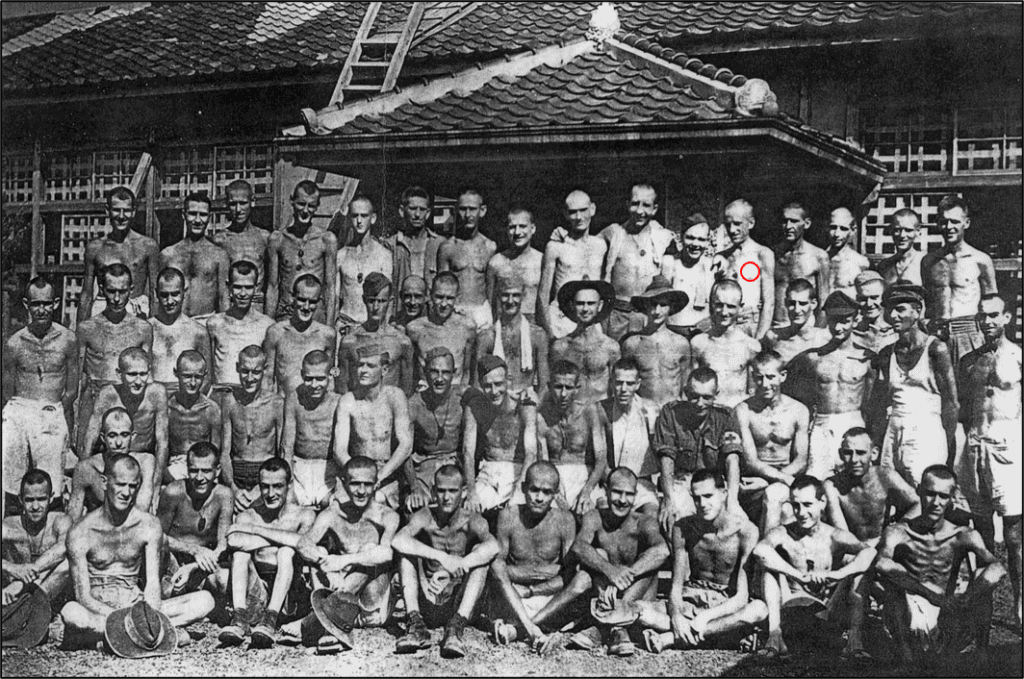
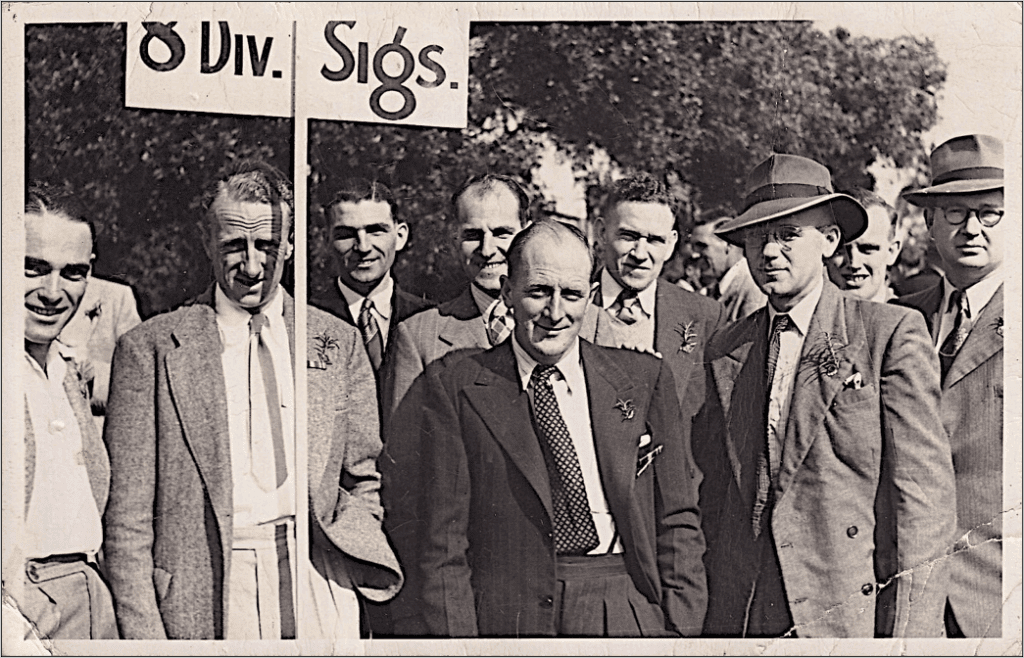
John Wilfrid Franklin was a Prisoner of War (POW) after the surrender of Singapore on 16 February 1942. He was imprisoned first in Changi, Singapore and later in Kobe and Fukuoka, Japan, along with 542 Australians from 1942-1945.
John’s story is intended to impart some understanding of the love, pain and anguish that separated families suffered during World War II.
The heart of this story lies in the personal, primary source letters John received during his imprisonment. These poignant messages, now over 80 years old, reveal the steadfast love and hope of a family writing month after month, not knowing if John was dead or alive. John, unaware that family had been writing to him since February 1942, received his first letter on 9 April 1944 over two years after becoming a POW. What sustained him through three and a half years of brutal, callous and relentless hardship was a combination of resilience, inner strength and the love of his family.
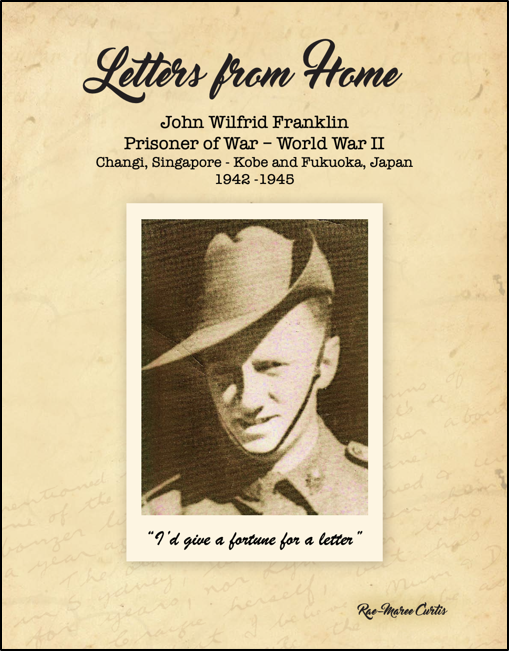
It is a remarkable gift to history that these letters were preserved long enough for this story to be shared. This is not just John’s story – it is universal – this story could relate to any war, any family or any Prisoner of War.
The Australian War Memorial has acknowledged the scarcity and value of this collection of letters by accepting them into its archives for future generations. It is exceedingly rare to find correspondence from families to a POW. The daily reality for POWs was stark: survival, the hope of returning home, and the preservation of fragile connections with loved ones. With little more than threadbare clothing and meagre possessions, John treated these letters as his treasured lifelines. The preservation of John’s letters stands as a powerful testament to their enduring value -both to him in those dark years and to our understanding of the human cost of war.
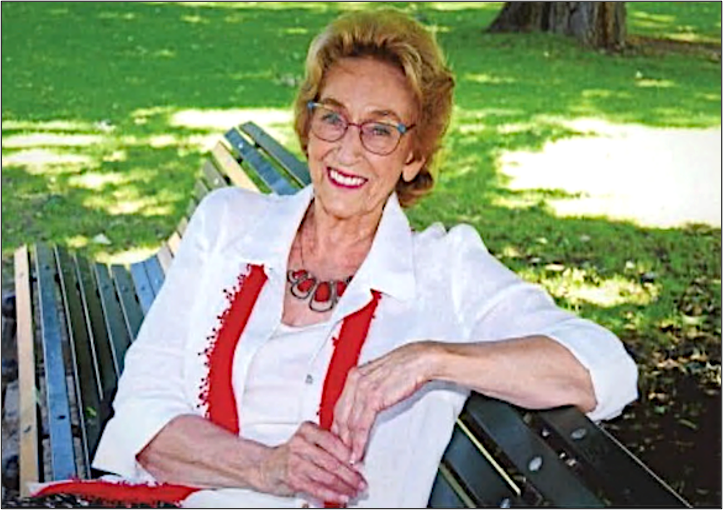
Rae-Maree Curtis has long been a dedicated member of the Bathurst community in New South Wales. Until recently, she volunteered as presenter of Senior Citizens’ Update, a fortnightly program on 2MCE Community Radio at Charles Sturt University. At the age of 90, she retired from this role to focus on preserving a remarkable family legacy: the wartime letters of her uncle, Signalman John Wilfrid Franklin, a Prisoner of War in World War II. With a lifelong passion for learning, community service, and history, Rae-Maree brings both care and dedication to sharing these unique records.
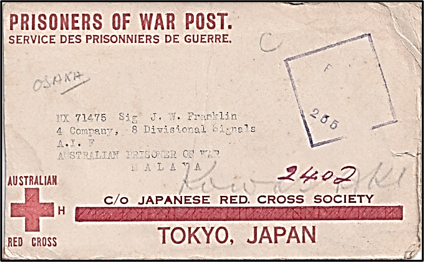
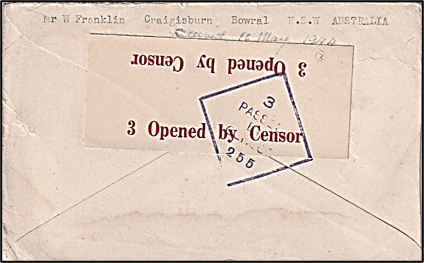
Envelope #1, from John’s father, written on 11 August 1942 was not received until 16 May 1944; this was noted by John on the back of the envelope. The 3 in a circle under the date signifies the date order in which these letters were received.
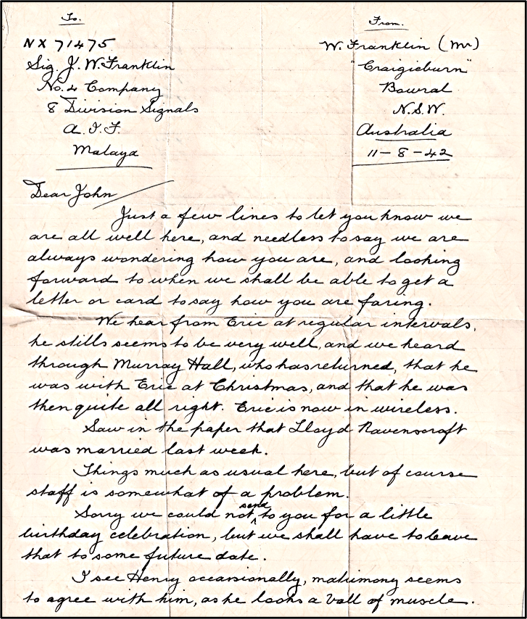
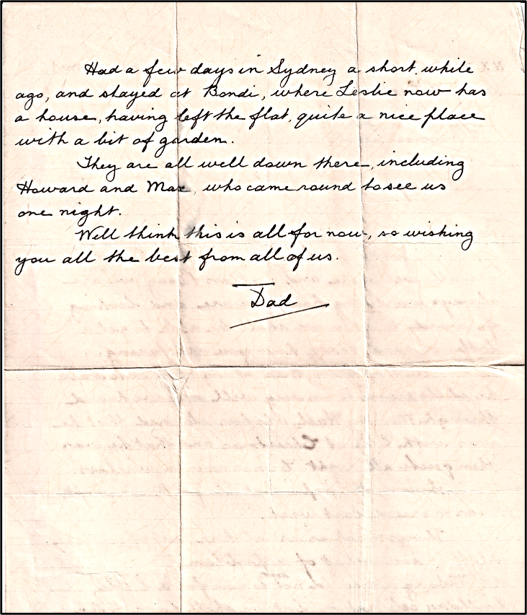
The contents of this letter suggest it was not the first letter written to John, the date being some six months after he became a POW in Singapore. This observation is supported by comments in letter #2 from John’s mother that some letters and a parcel were returned.
Letter #1, from John’s father, written on 11 August 1942 was not received until some 21 months later.
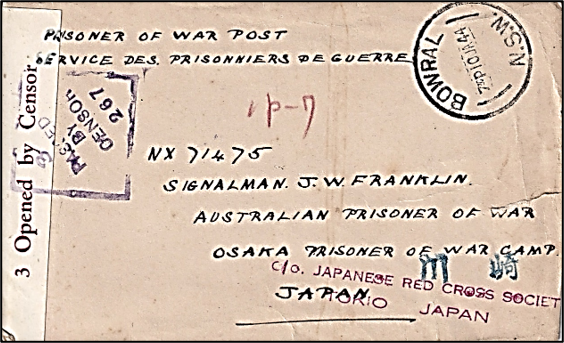
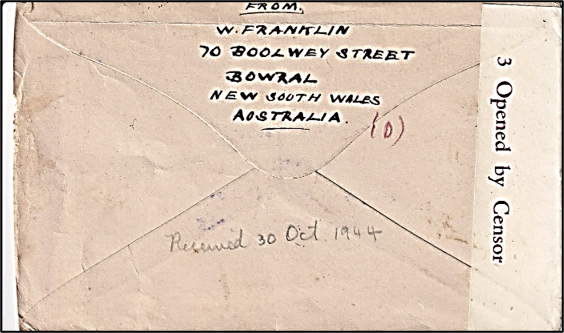
Telegram envelope #1, from John’s father, posted on 10 January 1944 was not received until 30 October 1944. Date received was noted.
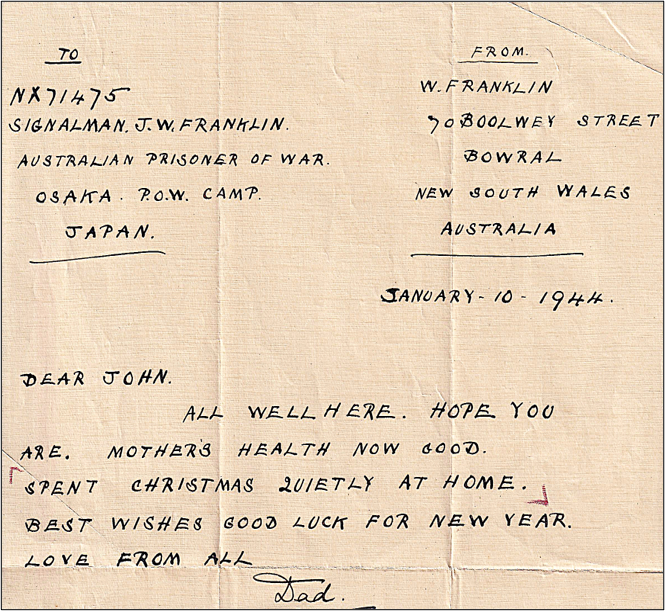
Telegram letter #1, written by John’s father on 10 January 1944, was not received until some 9 months later. “Telegrams” were restricted to 25 words; this could be considered a further punishment the POWs suffered because it reduced the previous amount of family news received from their loved ones – this must have been quite a shock after the former, longer letters. This format continued until the end of the war.
B Ed (Tech) Dip Law T Dip PS T Dip T
Copyright © 2025 Letters From Home | Designed by Honcho